

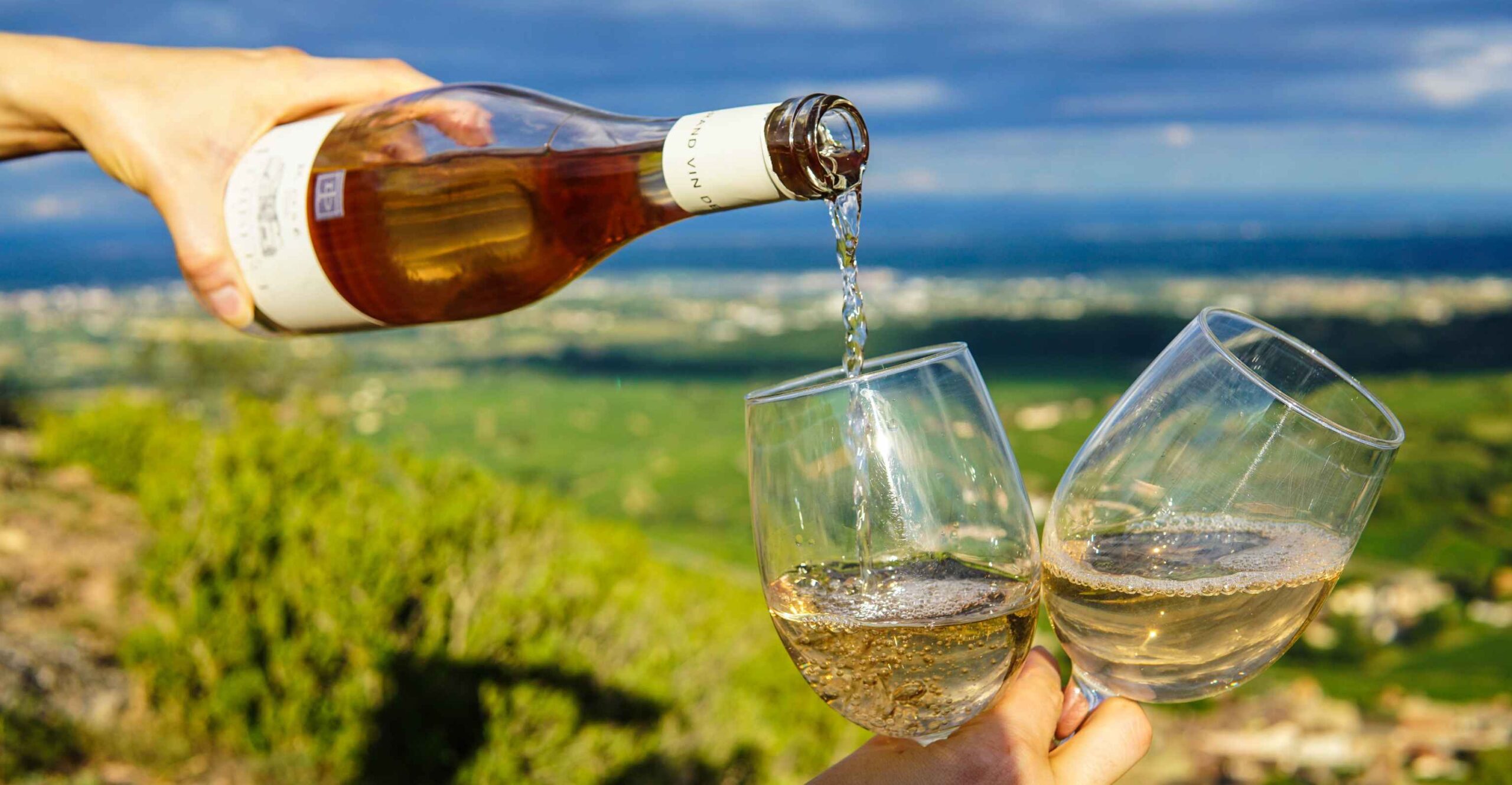
Discover the World’s Most Spectacular Wine Destinations
Wine tourism has evolved from simple vineyard visits into immersive cultural experiences that combine breathtaking landscapes, world-class cuisine, rich history, and of course, exceptional wines. Whether you’re a seasoned oenophile or just beginning your wine journey, visiting the world’s premier wine regions offers unforgettable experiences that deepen your appreciation for wine while creating lasting memories.
This comprehensive guide explores the ten best wine regions to visit in 2025, detailing what makes each destination unique, when to visit, what to expect, and how to make the most of your wine travel adventure.
1. Bordeaux, France: The Epicenter of Wine Excellence
Why Visit Bordeaux
Bordeaux represents the pinnacle of wine prestige. This historic region in southwestern France has produced legendary wines for centuries and remains the global benchmark for quality. With over 7,000 châteaux (wine estates), Bordeaux offers everything from prestigious Grand Cru Classé properties to charming family-run wineries.
What Makes Bordeaux Special
World-Class Wine: Home to some of the most expensive and sought-after wines on earth, including Château Lafite Rothschild, Château Margaux, and Château Pétrus.
Diverse Appellations: From the powerful reds of Pauillac and Saint-Émilion to the sweet whites of Sauternes, Bordeaux showcases remarkable diversity.
Historic Architecture: Magnificent châteaux set among pristine vineyards create postcard-perfect scenes at every turn.
UNESCO Recognition: The entire city of Bordeaux is a UNESCO World Heritage site, featuring stunning 18th-century architecture.
Best Time to Visit
September-October: Harvest season brings vibrant energy to the region. Witness grape picking and early winemaking processes.
May-June: Perfect weather, blooming vineyards, and fewer tourists make late spring ideal.
November: Quieter season with excellent hotel deals, though some estates close for winter.
Must-Visit Sub-Regions
Médoc: Left Bank powerhouses producing structured Cabernet Sauvignon-based blends
Saint-Émilion: Medieval village surrounded by Merlot-dominant Right Bank estates
Pomerol: Tiny region producing some of the world’s most expensive wines
Graves and Pessac-Léognan: Elegant reds and outstanding whites
Sauternes: Legendary sweet wines that pair beautifully with foie gras
Typical Experiences
- Private château tours with tastings in historic cellars
- Barrel tastings of wines still in development
- Blending workshops where you create your own Bordeaux blend
- Michelin-starred dining experiences
- Bike tours through vineyard-lined countryside
- Wine classification education at prestigious estates
Wine Travel Tip
Book château visits well in advance, especially for prestigious estates. Many require appointments and some have limited availability. Consider joining an organized tour for insider access to properties not normally open to the public.
2. Tuscany, Italy: Where Wine Meets La Dolce Vita
Why Visit Tuscany
Tuscany embodies the romance of Italian wine country. Rolling hills covered in vineyards and cypress trees, medieval hilltop towns, world-renowned cuisine, and exceptional Sangiovese-based wines create an intoxicating blend of sensory pleasures.
What Makes Tuscany Special
Chianti Classico: The iconic wine region between Florence and Siena producing structured, age-worthy Sangiovese
Brunello di Montalcino: Powerful, complex wines requiring extended aging—among Italy’s finest
Super Tuscans: Innovative wines that revolutionized Italian winemaking by blending international varieties
Agriturismos: Farm-stay accommodations offering authentic rural Italian experiences
Culinary Excellence: Fresh pasta, pecorino cheese, bistecca alla fiorentina, truffles, and olive oil
Best Time to Visit
September-October: Harvest season with perfect weather and vendemmia (grape harvest) celebrations
April-May: Spring brings wildflowers, ideal temperatures, and fewer crowds
June: Longer days and warm weather, though more tourists
November: Truffle season and quieter wineries, though cooler temperatures
Must-Visit Areas
Chianti Classico: Heart of Tuscany between Florence and Siena
Montalcino: Medieval hilltop town surrounded by Brunello vineyards
Montepulciano: Renaissance architecture and Vino Nobile wines
Bolgheri: Coastal Super Tuscan territory (Sassicaia, Ornellaia)
San Gimignano: Medieval towers and Vernaccia white wines
Typical Experiences
- Cooking classes featuring traditional Tuscan cuisine
- Truffle hunting with trained dogs
- Olive oil tastings at family estates
- Vespa or bicycle tours through vineyard landscapes
- Visits to medieval abbeys and castles
- Farm-to-table dinners under the stars
- Wine blending experiences
Wine Travel Tip
Rent a car to explore at your own pace—Tuscany’s charm lies in discovering small villages and family wineries along winding country roads. Base yourself in one location and take day trips to avoid constant packing and unpacking.
3. Napa Valley, California: American Wine Excellence
Why Visit Napa Valley
Napa Valley put American wine on the world stage and continues to produce exceptional wines while offering luxury experiences unmatched anywhere else. This compact region just an hour from San Francisco combines world-class wineries with five-star resorts, Michelin-starred restaurants, and stunning scenery.
What Makes Napa Valley Special
World-Class Cabernet Sauvignon: Napa’s signature grape produces bold, age-worthy wines
Luxury Experiences: From hot air balloon rides to cave tastings, Napa excels at premium experiences
Culinary Scene: Home to The French Laundry and numerous other acclaimed restaurants
Innovative Architecture: Wineries feature striking designs by renowned architects
Wine Train: Vintage rail journey through the valley with gourmet dining
Best Time to Visit
September-October: Crush season brings harvest energy and warm weather
April-May: Mustard flowers blanket vineyards in brilliant yellow
June-August: Peak season with perfect weather but higher prices and crowds
November-March: Quieter season with cooler weather and better deals
Must-Visit Napa Sub-Regions
Oakville: Home to legendary Cabernet producers like Opus One and Screaming Eagle
Rutherford: Famous for “Rutherford dust” terroir character
Stags Leap District: Elegant, age-worthy Cabernets
Carneros: Cool-climate Chardonnay and Pinot Noir near San Francisco Bay
Calistoga: Northern valley with hot springs and mineral-driven wines
Typical Experiences
- Hot air balloon rides over vineyard landscapes at sunrise
- Cave tours and barrel tastings in mountain wineries
- Food and wine pairing experiences at culinary estates
- Spa treatments using grape seed extracts and wine therapy
- Private winemaker dinners
- Blending seminars where you craft your own wine
- Art galleries at wineries showcasing contemporary collections
Wine Travel Tip
Book reservations for wineries, restaurants, and accommodations months in advance, especially for peak season. Consider visiting mid-week to avoid weekend crowds. The Napa Valley Wine Train offers a unique way to experience multiple wineries without driving.
4. Stellenbosch & Franschhoek, South Africa: New World Sophistication
Why Visit South African Wine Country
South Africa’s Cape Winelands combine Old World elegance with New World innovation, all set against the dramatic backdrop of mountain ranges. The region offers exceptional quality-to-price ratios, making it one of the world’s best value wine destinations.
What Makes South Africa Special
Stunning Scenery: Jagged mountains, historic Dutch Cape architecture, and pristine vineyards
Cape Blend Excellence: Unique South African red blends featuring Pinotage
World-Class Restaurants: Sophisticated culinary scene rivaling European destinations
Historic Wine Estates: Beautiful Cape Dutch architecture dating to the 1600s
Wildlife Opportunities: Combine wine tasting with safari experiences
Affordable Luxury: Five-star experiences at prices lower than Europe or California
Best Time to Visit
February-April: Harvest season with warm weather and festival atmosphere
September-November: Spring brings blooming flowers and ideal temperatures
December-January: Summer peak season—warm and busy
May-August: Winter brings cooler weather but quieter estates and better rates
Must-Visit Regions
Stellenbosch: Historic university town with over 150 wineries
Franschhoek: “French Corner” with gourmet restaurants and boutique wineries
Constantia: Cape Town’s oldest wine region, famous for sweet wines
Paarl: Diverse region producing full-bodied reds
Hemel-en-Aarde: Cool-climate Pinot Noir near coastal Hermanus
Typical Experiences
- Wine tram in Franschhoek hopping between estates
- Cheese and wine pairings at artisan fromageries
- Chocolate and wine pairings at craft chocolate makers
- Picnics on historic estates with mountain views
- Cellar tours in 300-year-old wine caves
- MCC (Méthode Cap Classique) sparkling wine tastings
- Safari and wine combination tours
Wine Travel Tip
Use Cape Town as your base and explore the Winelands on day trips, or stay in Stellenbosch or Franschhoek for a more immersive experience. The Wine Tram in Franschhoek offers a fun, safe way to visit multiple estates without driving.
5. Rioja, Spain: Tradition Meets Innovation
Why Visit Rioja
Spain’s most famous wine region blends centuries-old winemaking traditions with cutting-edge architecture and modern innovation. Rioja produces elegant, oak-aged Tempranillo wines that offer exceptional value and age-worthiness.
What Makes Rioja Special
Exceptional Value: World-class wines at prices significantly lower than comparable French wines
Architectural Marvels: Avant-garde winery designs by renowned architects like Frank Gehry and Santiago Calatrava
Rich History: Medieval villages, ancient monasteries, and centuries of winemaking heritage
Culinary Excellence: Pintxos (Basque tapas) culture and innovative cuisine
Warm Hospitality: Welcoming culture with family-run bodegas
Best Time to Visit
September-October: Harvest season with festivals and perfect weather
April-June: Spring offers comfortable temperatures and blooming landscapes
July-August: Peak summer can be very hot but lively
November-March: Quieter season with cooler weather
Must-Visit Sub-Regions
Rioja Alta: Elegant, age-worthy wines from higher elevations
Rioja Alavesa: Small medieval villages with traditional wineries
Rioja Oriental: Warmer climate producing fuller-bodied wines
Typical Experiences
- Tours of avant-garde wineries like Marqués de Riscal (Frank Gehry design)
- Traditional barrel-making demonstrations at cooperages
- Pintxos crawls through medieval village streets
- Underground cellar tours in centuries-old bodegas
- Wine and jamón Ibérico pairings
- Visits to monasteries that pioneered Rioja winemaking
- Cooking classes featuring regional cuisine
Wine Travel Tip
Base yourself in the charming medieval town of Laguardia in Rioja Alavesa. Many bodegas offer wine therapy spa treatments—a unique way to combine relaxation with wine tourism. Don’t miss experiencing the pintxos culture in nearby San Sebastián.
6. Douro Valley, Portugal: Dramatic Beauty and Port Wine
Why Visit Douro Valley
The Douro Valley offers some of Europe’s most dramatic vineyard landscapes, where terraced hillsides cascade down to the winding Douro River. This UNESCO World Heritage region produces both outstanding table wines and the world’s finest Port.
What Makes Douro Valley Special
Breathtaking Scenery: Steep terraced vineyards carved into hillsides over centuries
Port Wine Heritage: Home to legendary Port houses with centuries of history
River Cruises: Scenic boat journeys through wine country
Quinta Stays: Overnight at wine estates with vineyard views
Authentic Culture: Traditional villages largely untouched by mass tourism
Value: Exceptional wines and experiences at reasonable prices
Best Time to Visit
September: Harvest season with spectacular weather
May-June: Late spring offers ideal temperatures and blooming almond trees
March-April: Almond blossoms create stunning white landscapes
October-November: Autumn colors transform the valley
Must-Visit Areas
Pinhão: Heart of the Douro with iconic railway station azulejo tiles
Peso da Régua: Commercial center with Port wine museum
Quinta do Vallado: Historic estate producing both Port and table wines
Quinta do Crasto: Stunning views and excellent wines
Typical Experiences
- Multi-day river cruises combining wine estates and scenic views
- Traditional rabelo boat rides (historic Port transport boats)
- Port and chocolate pairings
- Olive oil and wine tastings at quintas
- Foot-treading grapes during harvest (lagar experiences)
- Scenic train journeys along the river
- Traditional Portuguese cooking classes
Wine Travel Tip
Consider a multi-day river cruise that combines transportation, accommodation, meals, and winery visits—an excellent way to experience the region without driving the narrow mountain roads. Book harvest-season treading experiences early as they fill quickly.
7. Burgundy, France: The Pinnacle of Terroir
Why Visit Burgundy
Burgundy represents the ultimate expression of terroir—the concept that specific vineyard sites produce distinctive wines. This historic region produces the world’s most expensive and celebrated Pinot Noir and Chardonnay, with a vineyard classification system that fascinates wine enthusiasts.
What Makes Burgundy Special
Terroir Focus: Parcels of land measured in acres produce distinctly different wines
Historic Vineyards: Some climats (vineyard sites) have been cultivated since Roman times
Grand Cru Excellence: The highest classification producing legendary wines
Gastronomy: Exceptional cuisine including coq au vin, boeuf bourguignon, escargots
Medieval Charm: Beaune’s historic Hospices and charming wine villages
Small Production: Scarcity makes these wines highly sought-after
Best Time to Visit
September: Harvest season with festivals and perfect weather
November: Les Trois Glorieuses festival and Hospices de Beaune wine auction
April-May: Spring offers beautiful countryside without peak crowds
June-August: Warm weather but busiest tourist season
Must-Visit Areas
Côte de Nuits: Northern section with legendary red wine villages (Gevrey-Chambertin, Vosne-Romanée)
Côte de Beaune: Southern section with both reds and exceptional whites (Meursault, Puligny-Montrachet)
Chablis: Northern region producing steely, mineral Chardonnay
Côte Chalonnaise: More affordable wines with excellent quality
Typical Experiences
- Intimate tastings at small family domaines
- Vineyard walks through Grand Cru climats
- Visits to ancient wine cellars beneath medieval towns
- Truffle hunting and wine pairing lunches
- Hospices de Beaune wine auction attendance
- Cheese and wine pairings featuring local Époisses
- Bicycle tours through flat vineyard roads
Wine Travel Tip
Burgundy requires advance planning—many small producers require appointments and don’t speak English. Consider hiring a specialized wine tour guide who can provide access and translation. Base yourself in Beaune for central access to both Côtes.
8. Willamette Valley, Oregon: Cool-Climate Excellence
Why Visit Willamette Valley
Oregon’s Willamette Valley has emerged as one of the world’s premier Pinot Noir regions, producing elegant wines that rival Burgundy. The region combines outstanding wines with farm-to-table cuisine, sustainable practices, and accessible, friendly winemakers.
What Makes Willamette Valley Special
World-Class Pinot Noir: Cool climate produces elegant, terroir-expressive wines
Sustainable Focus: Many certified organic, biodynamic, and LIVE wineries
Approachable Atmosphere: Welcoming, unpretentious culture contrasts with Napa’s formality
Culinary Scene: Portland’s innovative food culture extends throughout wine country
Natural Beauty: Rolling hills, hazelnut orchards, and pastoral landscapes
Value: Exceptional wines at reasonable prices compared to California
Best Time to Visit
May-June: Perfect weather with blooming flowers and long days
September-October: Harvest season with fall colors and wine festivals
July-August: Peak summer with warm, dry weather
November-March: Rainy season but quieter wineries and lower rates
Must-Visit Sub-AVAs
Dundee Hills: Elevated sites producing structured Pinot Noir
Eola-Amity Hills: Volcanic soils creating distinctive mineral character
Chehalem Mountains: Diverse soils and microclimates
Ribbon Ridge: Small AVA with prestigious producers
Yamhill-Carlton: Cooler sites with elegant wines
Typical Experiences
- Winemaker-led tastings at boutique wineries
- Farm-to-table dinners at estate restaurants
- Bicycle tours through gentle rolling hills
- Visits to sustainable and biodynamic vineyards
- Cheese pairings featuring Oregon artisan producers
- Hot air balloon rides over wine country
- Hazelnuts and wine pairings (Oregon produces 99% of US hazelnuts)
Wine Travel Tip
McMinnville makes an excellent base with numerous restaurants and tasting rooms. Many wineries are dog-friendly and family-friendly, making this an ideal destination for diverse groups. Visit during International Pinot Noir Celebration for an immersive educational experience.
9. Marlborough, New Zealand: Sauvignon Blanc Paradise
Why Visit Marlborough
Marlborough put New Zealand on the wine map with its distinctive Sauvignon Blanc and continues to produce some of the world’s most aromatic white wines. The region combines spectacular natural beauty, adventure tourism, and innovative winemaking.
What Makes Marlborough Special
Sauvignon Blanc Excellence: Crisp, aromatic whites with distinctive gooseberry and passion fruit notes
Stunning Scenery: Snow-capped mountains, clear rivers, and pristine landscapes
Adventure Hub: Combine wine tasting with outdoor activities
Cool-Climate Pinot Noir: Increasingly impressive red wines
Sustainable Practices: Many certified sustainable wineries
Relaxed Atmosphere: Friendly, informal tasting experiences
Best Time to Visit
February-April: Harvest season with warm weather and festivals
November-January: Summer offers long days and outdoor activities
September-October: Spring brings blooming vines and fewer tourists
May-August: Winter brings snow-capped mountain views but cooler weather
Must-Visit Areas
Wairau Valley: Flat, river-stone terrain producing classic Marlborough Sauvignon Blanc
Southern Valleys: Hillier terrain with more diverse wines
Awatere Valley: Cooler, more austere Sauvignon Blanc styles
Typical Experiences
- Bicycle tours through flat vineyard landscapes
- Seafood and Sauvignon Blanc pairings (green-lipped mussels!)
- Scenic flights over Marlborough Sounds
- Hiking in nearby national parks
- Whale watching in Kaikoura (2 hours away)
- Farm-to-table dining experiences
- Multi-regional wine tours combining Marlborough with Central Otago
Wine Travel Tip
Blenheim serves as the regional hub with accommodations and restaurants. Consider renting bicycles for a fun, eco-friendly way to visit multiple wineries safely. Many wineries have beautiful picnic areas—pack a lunch and enjoy wine country al fresco.
10. Mendoza, Argentina: Malbec at the Foot of the Andes
Why Visit Mendoza
Mendoza offers an exotic wine destination combining high-altitude vineyards, Andean mountain scenery, exceptional Malbec, and outstanding value. This Argentine region produces powerful, fruit-forward wines unlike anywhere else in the world.
What Makes Mendoza Special
Malbec Headquarters: The world’s best Malbec comes from Mendoza’s high-altitude vineyards
Dramatic Scenery: Vineyards at the foot of the snow-capped Andes create spectacular vistas
High Altitude: Vineyards between 2,000-5,000 feet elevation produce intense, concentrated wines
Outstanding Value: World-class wines and experiences at very reasonable prices
Asado Culture: Traditional Argentine grilled meats paired with bold reds
Adventure Tourism: Skiing, hiking, rafting, and more
Best Time to Visit
March-April: Harvest season with warm days and festival atmosphere
September-November: Spring offers pleasant weather and blooming landscapes
December-February: Peak summer can be very hot (90°F+)
June-August: Winter brings Andes skiing opportunities but cooler weather
Must-Visit Sub-Regions
Luján de Cuyo: Historic region with many prestigious estates
Maipú: Close to Mendoza city with numerous wineries
Uco Valley: High-altitude vineyards producing elegant, age-worthy wines
Tupungato: Cool-climate whites and sparkling wines
Typical Experiences
- Traditional asado (Argentine BBQ) and Malbec pairings
- Horseback riding through vineyard landscapes with Andes views
- High-altitude vineyard visits at 5,000+ feet elevation
- Blending workshops to create your own Malbec
- Olive oil and wine tastings at multi-crop estates
- White-water rafting on Andean rivers
- Day trips to Aconcagua (highest peak outside Himalayas)
Wine Travel Tip
Base yourself in Mendoza city for convenience, with the Uco Valley requiring longer drives but rewarding with spectacular scenery and premium wineries. Many wineries offer full-day experiences including multi-course lunches—plan for leisurely, extended visits rather than winery hopping.
Planning Your Wine Region Visit
Choosing the Right Region for You
Consider these factors when selecting your destination:
Wine Preferences: Do you prefer reds or whites? Bold or elegant styles?
Budget: Regions like South Africa and Argentina offer better value than Napa or Burgundy
Season: Consider weather and harvest timing for your available travel dates
Activities Beyond Wine: Do you want beaches, mountains, cities, or quiet countryside?
Travel Style: Prefer luxury resorts or rustic charm? Organized tours or independent exploration?
Distance: Factor in travel time and jet lag for international destinations
Booking Wine Experiences
Reserve in Advance: Popular wineries, especially small producers, require advance bookings
Private vs. Group Tours: Private tastings offer personalized attention; group tours provide social atmosphere and better value
Guided Tours: Local guides provide insider access, transportation, and valuable context
Duration: Full-day experiences are more immersive than quick tastings
Special Experiences: Book unique activities (harvest participation, blending workshops) early
What to Pack for Wine Country
Comfortable Shoes: You’ll walk through vineyards and cellars
Layers: Wine cellars are cool even in summer; outdoor tastings can be hot
Sun Protection: Hat, sunglasses, and sunscreen for vineyard tours
Camera: Capture stunning landscapes and memorable moments
Tasting Journal: Record impressions and favorites
Lightweight Bag: For purchasing wines (check shipping regulations)
Making the Most of Wine Travel
Tasting Room Etiquette
- Make reservations and arrive on time
- Pace yourself—quality over quantity
- Ask questions and engage with staff
- Don’t wear strong perfumes or cologne
- Spit when tasting many wines to avoid intoxication
- Purchase wines or tip tasting room staff
- Be respectful of other guests
Shipping Wine Home
International Shipping: Complicated and expensive; often best to enjoy locally
Domestic Shipping (within country): Most wineries offer this service
Carry-On Limitations: Check airline policies for bringing wine aboard
Duty and Taxes: Understand customs regulations for your home country
Enhancing Your Experience
Learn Basic Terms: Understanding wine vocabulary enhances appreciation
Read About Regions: Background knowledge makes visits more meaningful
Book Accommodations Centrally: Minimize driving between wineries
Allow Downtime: Don’t over-schedule—wine travel should be relaxing
Engage with Winemakers: Ask about philosophy, techniques, and challenges
Take Notes: You’ll taste many wines—record impressions and favorites
Wine Tours: The Ultimate Way to Experience Wine Regions
Benefits of Organized Wine Tours
Expert Knowledge: Guides provide context, history, and insider information
Insider Access: Visit private estates not open to general public
No Driving Worries: Enjoy tastings without designated driver concerns
Efficient Itineraries: Maximize time with carefully planned schedules
Social Connection: Meet fellow wine enthusiasts from around the world
Comprehensive Experiences: Combine wineries with culture, cuisine, and accommodations
Educational Focus: Learn wine appreciation in structured, informative environment
What to Look For in Wine Tours
Small Group Size: Intimate groups (8-12 people) allow personal attention
Expert Leadership: Knowledgeable guides with wine education credentials
Quality Accommodations: Comfortable, well-located hotels or villa stays
Included Meals: Regional cuisine with wine pairings
Balanced Itinerary: Mix of prestigious estates and boutique discoveries
Free Time: Some flexibility for personal exploration
Transportation: Comfortable vehicles between destinations
Elegant Kaya Wine Tours
Elegant Kaya offers curated small-group wine journeys to the world’s premier wine regions, designed for wine lovers seeking education, exploration, and authentic experiences:
Intimate Groups: Maximum 10-12 participants for personalized attention
Expert Guidance: Led by wine educators with deep regional knowledge
Carefully Selected Wineries: Mix of renowned estates and hidden gems
Educational Focus: Learn wine appreciation through structured tastings and discussions
Cultural Immersion: Regional cuisine, local traditions, and authentic experiences
Women-Focused Options: Safe, supportive travel designed with women in mind
All-Inclusive Packages: Accommodations, meals, transportation, and tastings included
Upcoming Destinations:
- South African Wine Country (Stellenbosch & Franschhoek)
- European Wine Regions (France, Italy, Spain, Portugal, Greece)
- California & Oregon Wine Tours
- Kenya Wine Experiences

