Your Complete Guide to Becoming a Confident Wine Enthusiast
Master the Art of Wine Tasting and Discover Your Perfect Pour
Wine tasting can seem intimidating to beginners, with its specialized vocabulary, complex rituals, and seemingly endless varieties. But here’s the secret: wine tasting is simply about learning to pay attention to what you’re drinking and understanding what you enjoy. Whether you’re preparing for your first wine tour, planning to host a tasting dinner, or simply want to feel more confident ordering wine at restaurants, this comprehensive guide will transform you from a nervous beginner into a knowledgeable wine enthusiast.
What is Wine Tasting?
Wine tasting is the sensory evaluation of wine—using sight, smell, and taste to identify a wine’s characteristics, quality, and potential food pairings. Professional sommeliers and winemakers use systematic tasting methods to assess wines objectively, but anyone can learn these techniques to enhance their enjoyment and appreciation of wine.
The beauty of wine tasting is that it’s both an art and a science. While understanding the technical aspects helps you make informed choices, the most important element is personal preference. There are no “wrong” answers when it comes to what you enjoy—wine tasting simply gives you the language to describe and explore your preferences.
The Five S’s of Wine Tasting
Professional tasters follow a systematic approach known as the “Five S’s”: See, Swirl, Sniff, Sip, and Savor. This method helps you evaluate wine methodically and pick up nuances you might otherwise miss.
1. See (Visual Examination)
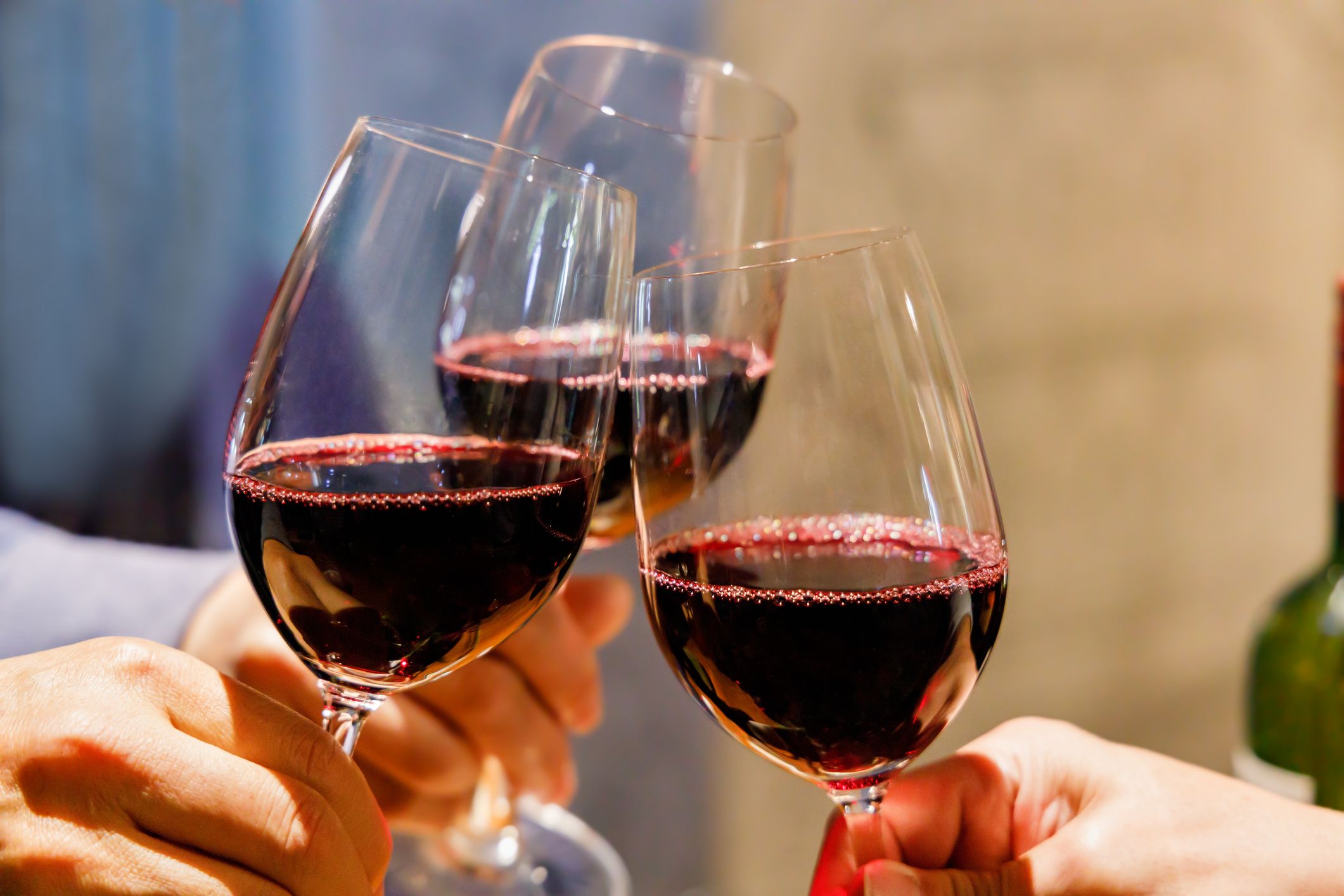
Begin by examining the wine’s appearance in good lighting, ideally against a white background:
Color Intensity: Hold your glass at a 45-degree angle. Is the wine pale, medium, or deeply colored? Generally, deeper colors indicate fuller-bodied wines with more intense flavors.
Hue: White wines range from pale straw to deep gold. Red wines span from light ruby to deep purple-black. The color offers clues about the wine’s age and grape variety.
Clarity: Good wine should be clear and brilliant, never cloudy (unless it’s unfiltered, which some natural wines are intentionally).
Viscosity: Swirl the wine gently and observe how it runs down the sides of the glass. These “legs” or “tears” indicate alcohol content and body—thicker, slower legs suggest higher alcohol and fuller body.
What It Tells You: A young white wine will appear pale with green or straw hues, while an aged white develops golden or amber tones. Young red wines show purple or ruby colors, while older reds turn brick-red or brownish.
2. Swirl (Aeration)
Swirling wine in your glass isn’t just for show—it serves important purposes:
How to Swirl: Keep your glass on the table and gently move it in small circles, or hold the base and rotate your wrist. About three to four swirls are sufficient.
Why It Matters: Swirling introduces oxygen to the wine, which releases aromatic compounds. This “opens up” the wine, making its aromas more pronounced and easier to identify.
The Technique: If you’re nervous about swirling while holding your glass, start by keeping it on the table. With practice, you’ll be able to swirl confidently while holding the glass.
3. Sniff (Nosing the Wine)
Your sense of smell is crucial to wine tasting—up to 80% of what we perceive as “taste” actually comes from our nose.
First Impression: Take a quick sniff immediately after swirling to capture the initial burst of aromas.
Deep Evaluation: Insert your nose into the glass and take a slow, deep breath. Try to identify specific aromas.
What to Look For:
Primary Aromas (from the grape): Fruits (citrus, berries, tropical fruits), flowers, herbs
Secondary Aromas (from winemaking): Yeast, butter, cream, vanilla
Tertiary Aromas (from aging): Tobacco, leather, nuts, earth, mushrooms, dried fruits
Common Wine Aromas by Type:
White Wines: Citrus (lemon, lime), green apple, pear, peach, apricot, tropical fruits (pineapple, mango), white flowers, herbs, honey
Red Wines: Red berries (strawberry, raspberry, cherry), black fruits (blackberry, plum, blackcurrant), spices, tobacco, leather, earth, oak
Pro Tip: Don’t worry if you can’t identify specific aromas immediately. It takes practice. Start broadly (fruity? floral? earthy?) and become more specific over time.
4. Sip (Tasting)
Now comes the moment you’ve been waiting for—actually tasting the wine:
The First Sip: Take a small to medium sip and let it roll across your entire tongue. Your tongue detects different tastes in different areas: sweetness at the tip, acidity on the sides, and bitterness at the back.
Slurping (Optional): Professional tasters often slurp air through the wine, making that distinctive sucking sound. This aerates the wine in your mouth and helps spread it across your palate. While not necessary for beginners, it does enhance flavor perception.
What to Evaluate:
Sweetness: Dry (no perceptible sugar), off-dry (slight sweetness), medium-sweet, or sweet
Acidity: The crisp, tart quality that makes your mouth water. High acidity feels refreshing; low acidity can feel flabby
Tannin (in red wines): The drying, grippy sensation from grape skins and oak aging. It’s the same compound that makes strong tea astringent
Body: The weight and texture of wine in your mouth. Light-bodied wines feel delicate; full-bodied wines feel rich and coating
Alcohol: Higher alcohol creates a warming sensation in your throat
Flavor Profile: Do the flavors match the aromas? What new flavors emerge?
Balance: Do all elements (fruit, acidity, tannin, alcohol) work together harmoniously?
5. Savor (The Finish)
The finish—or aftertaste—is how long flavors linger after swallowing:
Short Finish: Flavors disappear quickly (often indicates a simpler wine)
Medium Finish: Flavors last several seconds
Long Finish: Flavors persist and evolve for 30+ seconds (typically indicates higher quality)
What to Consider: Is the finish pleasant? Do new flavors emerge? Does the wine leave you wanting another sip?
Understanding Wine Terminology
Wine descriptions often use specialized vocabulary. Here’s a beginner-friendly translation:
Describing Wine Body
Light-Bodied: Delicate, easy-drinking wines (like Pinot Grigio or Beaujolais). Compare to skim milk.
Medium-Bodied: Moderate weight and intensity (like Merlot or Chardonnay). Like whole milk.
Full-Bodied: Rich, powerful wines (like Cabernet Sauvignon or oaked Chardonnay). Like cream.
Common Descriptors Explained
Crisp: High acidity, refreshing (think fresh apple bite)
Smooth: Low tannins, easy to drink
Dry: Not sweet (opposite of sweet, not moisture level)
Buttery: Creamy texture and flavor (common in oaked Chardonnay)
Oaky: Vanilla, toast, or spice flavors from oak barrel aging
Earthy: Aromas and flavors reminiscent of soil, mushrooms, or forest floor
Jammy: Intense, cooked fruit flavors (like jam vs. fresh fruit)
Mineral: Clean, stone-like quality (imagine licking a rock)
Peppery: Spicy notes, particularly black pepper
How to Set Up a Wine Tasting at Home
Creating your own tasting experience is easier than you think and perfect for learning:
Equipment You’ll Need
Proper Glassware: You don’t need expensive crystal—basic wine glasses with stems work fine. Use clear glasses so you can see the wine’s color.
White Background: A white tablecloth, paper, or plate for examining color
Water: For palate cleansing between wines
Neutral Crackers or Bread: To cleanse your palate
Spit Bucket (Optional): For tastings with many wines
Notebook: To record your impressions
Bottle Covers (Optional): Brown paper bags for blind tastings
Tasting Format Options
Vertical Tasting: Same wine from different vintages (years)
Horizontal Tasting: Same varietal from different producers or regions
Varietal Comparison: Different grape varieties (Cabernet vs. Merlot vs. Pinot Noir)
Regional Tasting: Same grape from different regions (French Chardonnay vs. California Chardonnay)
Blind Tasting: Wines covered so you taste without preconceptions
How Many Wines to Taste
Beginners: 3-4 wines (prevent palate fatigue)
Intermediate: 5-6 wines
Experienced: 8-10 wines maximum
Pro Tip: Always taste lighter wines before heavier ones: sparkling before white, white before rosé, rosé before red, light reds before full-bodied reds.
Serving Temperature Matters
Sparkling Wine: 40-50°F (very cold)
White & Rosé Wine: 45-55°F (refrigerator cold)
Light Red Wine: 55-60°F (slightly chilled)
Full-Bodied Red Wine: 60-65°F (cool room temperature)
Common Mistake: Most people serve red wine too warm and white wine too cold, which masks flavors.
Wine and Food Pairing Basics
Understanding basic pairing principles enhances both your wine and food:
The Golden Rules
Match Weight: Light wines with light foods, heavy wines with heavy foods
Consider Sauce, Not Just Protein: The sauce often determines the best wine pairing
Complement or Contrast: Pair similar flavors (butter with buttery Chardonnay) or opposite ones (sweet wine with spicy food)
Acid Cuts Fat: High-acid wines balance rich, fatty foods
Tannins Love Protein: Red meat pairs beautifully with tannic reds
Sweet Wines with Dessert: The wine should be as sweet or sweeter than the dessert
Classic Pairings to Start With
Sauvignon Blanc + Goat Cheese: Crisp acidity complements tangy cheese
Chardonnay + Lobster: Rich, buttery wine matches rich seafood
Pinot Noir + Salmon: Light red or full white both work beautifully
Cabernet Sauvignon + Steak: Tannins soften with protein and fat
Riesling + Spicy Asian Cuisine: Slight sweetness tames heat
Prosecco + Salty Snacks: Bubbles and salt are magical together
Port + Blue Cheese: Sweet wine balances strong, salty cheese
Building Your Wine Vocabulary
Taking tasting notes helps you remember what you enjoy and develops your palate:
Simple Tasting Note Template
Wine: [Name, Producer, Vintage]
Appearance: [Color, clarity]
Nose: [Primary aromas you detect]
Palate: [Flavors, body, acidity, tannin, alcohol]
Finish: [Length and character]
Overall Impression: [Did you like it? Would you buy it?]
Food Pairing Ideas: [What would you serve it with?]
Rating: [Your personal scale—stars, numbers, whatever works]
Developing Your Palate
Taste Mindfully: Pay attention to everything you eat and drink, not just wine
Use Comparison: “This reminds me of…” helps identify flavors
Smell Everything: Train your nose by actively smelling fruits, spices, herbs, flowers
Practice Regularly: Like any skill, wine tasting improves with practice
Taste Diverse Styles: Don’t get stuck drinking the same wine—explore broadly
Read Wine Descriptions: Compare your notes to professional reviews
Join Wine Groups: Taste with others and discuss impressions
Common Wine Tasting Mistakes to Avoid
1. Wearing Strong Perfume or Cologne
Fragrance overwhelms wine aromas. Skip perfume on tasting days.
2. Filling Glasses Too Full
Pour only 2-3 ounces (about one-third full) to allow proper swirling and nosing.
3. Holding by the Bowl
Always hold wine glasses by the stem to avoid warming the wine with your hand and leaving fingerprints that obscure your view.
4. Judging Too Quickly
Give each wine time to open up. First impressions can change dramatically.
5. Being Afraid to Spit
At large tastings, spitting prevents intoxication and palate fatigue. It’s professional, not rude.
6. Letting Others’ Opinions Override Yours
Wine appreciation is subjective. Trust your own palate.
7. Drinking on an Empty Stomach
Always eat before or during wine tasting.
Different Types of Wine Tastings
At Wineries
Standard Tasting: Sample 4-6 wines, usually the winery’s flagship offerings
Reserve Tasting: Premium wines, often in a private room
Blending Experience: Create your own blend from component wines
Vineyard Tours: Combine tasting with walking through vineyards
Food Pairing Experiences: Wines served with carefully selected dishes
Wine Bars and Restaurants
Wine Flights: Pre-selected groupings of 3-4 wines (by varietal, region, or theme)
By-the-Glass: Sample individual wines without commitment
Sommelier Recommendations: Ask for guidance based on your preferences
Wine Education Classes
Structured Learning: Professional instruction on specific topics
WSET Courses: Internationally recognized wine certification programs
Local Wine Shops: Many offer free or low-cost educational tastings
Wine Tour Experiences
Curated multi-day journeys to famous wine regions combine education with immersive experiences. These tours typically include:
- Visits to multiple wineries
- Meetings with winemakers
- Educational sessions on viticulture and winemaking
- Regional cuisine paired with local wines
- Accommodation in wine country settings
- Transportation and expert guides
Elegant Kaya Wine Tours offer precisely these experiences, taking small groups to the world’s premier wine regions with educational focus and intimate group settings perfect for learning.
Starting Your Wine Journey
Building a Basic Wine Knowledge Foundation
Read Wine Labels: Understanding labels helps you make informed choices
Explore Wine Regions: Learn about major wine-producing areas (Bordeaux, Tuscany, Napa Valley, Stellenbosch)
Study Grape Varieties: Start with major grapes (Chardonnay, Sauvignon Blanc, Cabernet Sauvignon, Pinot Noir, Merlot)
Follow Wine Resources: Blogs, magazines, YouTube channels, and apps designed for wine education
Ask Questions: Wine professionals love sharing knowledge—ask your wine shop staff, restaurant sommeliers, and winery tour guides
Recommended Starting Wines for Beginners
Easy-Drinking Whites:
- Pinot Grigio (crisp, light)
- Sauvignon Blanc (refreshing, aromatic)
- Riesling (slight sweetness balances acidity)
Approachable Reds:
- Pinot Noir (light, fruity, low tannin)
- Merlot (smooth, medium-bodied)
- Grenache/Garnacha (fruit-forward, soft)
Special Occasion Bubbles:
- Prosecco (affordable, easy-drinking Italian sparkler)
- Cava (Spanish equivalent to Champagne at better value)
- Champagne (when you want to splurge)
Taking Your Wine Education Further
Once you’ve mastered the basics, consider:
Wine Certification Courses
WSET (Wine & Spirit Education Trust): Internationally recognized certifications from beginner to expert levels
Court of Master Sommeliers: Professional sommelier certification programs
Society of Wine Educators: Teaching-focused wine education credentials
Wine Travel Experiences
There’s no better way to learn about wine than visiting the regions where it’s made:
Immersive Learning: See vineyards, meet winemakers, understand terroir
Regional Cuisine: Discover why certain wines pair perfectly with local foods
Cultural Context: Understand the history and traditions behind each region
Expert Guidance: Learn from professionals who know the regions intimately
Small Groups: Ask questions and receive personalized attention
Joining an organized wine tour eliminates logistical stress while maximizing education and enjoyment. Elegant Kaya’s curated wine tours offer exactly this—intimate small-group journeys to world-class wine regions with expert guides, educational focus, and unforgettable experiences designed for wine enthusiasts at all levels.
Building Your Wine Collection
Start Small: Begin with a modest selection of wines you enjoy
Vary Styles: Include whites, reds, sparkling, and perhaps dessert wine
Proper Storage: Keep wine in a cool, dark place lying on its side
Drink, Don’t Hoard: Most wines are meant to be enjoyed young
Track Your Collection: Use apps or spreadsheets to remember what you have
Wine Tasting Etiquette
Whether at a winery, wine bar, or private tasting, follow these guidelines:
Do’s
- Arrive on time for scheduled tastings
- Be respectful of staff and other tasters
- Ask questions—wine professionals love engaged guests
- Pace yourself—quality over quantity
- Tip tasting room staff (if purchasing bottles, 10-15% of purchase)
- Purchase at least one bottle if the tasting was free
- Share your honest impressions (constructively)
Don’ts
- Don’t wear strong fragrances
- Don’t monopolize the staff’s time
- Don’t get intoxicated—spit or pour out excess
- Don’t criticize wines harshly (say “not my style” instead)
- Don’t rush through tastings
- Don’t bring outside food without permission
The Social Aspect of Wine Tasting
Wine brings people together, making it inherently social:
Wine Tasting Groups
Join or create a group that meets monthly to taste wines together. Rotate hosting duties and themes.
Wine Dinners
Host themed dinners where each course is paired with wine. Guests can each bring a bottle fitting the theme.
Virtual Tastings
Connect with friends remotely, each purchasing the same wines to taste together via video call.
Wine Travel
Group wine tours combine education with social connection. Meeting fellow wine enthusiasts from around the world often results in lasting friendships and shared passion for discovery.
Conclusion: Your Wine Journey Begins Now
Wine tasting transforms from intimidating to enjoyable once you understand the basics. Remember that becoming a confident wine taster is a journey, not a destination. Every bottle you open, every tasting you attend, and every wine region you explore adds to your knowledge and enjoyment.
Start with the Five S’s, trust your own palate, take notes, ask questions, and most importantly—enjoy the process. Wine is meant to enhance life’s pleasures, bring people together, and create memorable experiences.
Whether you’re tasting at home, exploring local wine bars, or planning an international wine adventure, the principles remain the same: pay attention, stay curious, and drink what you love.
Ready to Take Your Wine Education to the Next Level?
Elegant Kaya offers both intimate wine tasting dinners at our Diani Beach villa and curated wine tours to the world’s finest wine regions. Learn from experts, taste exceptional wines, and create unforgettable memories in small, personalized groups.
Wine Dinners at Elegant Kaya: Experience themed wine pairing dinners in an intimate villa setting, complete with expert guidance and carefully curated wines from around the world.
International Wine Tours: Join our small-group journeys to renowned wine regions including South Africa, Europe, and North America. Each tour combines education, exploration, and exceptional wines.
Contact us today to learn about upcoming wine experiences and begin your journey from wine beginner to confident enthusiast.
Join the Wine Travel Circle: Subscribe to our newsletter for wine education tips, tasting notes, tour announcements, and exclusive offers for wine lovers.

